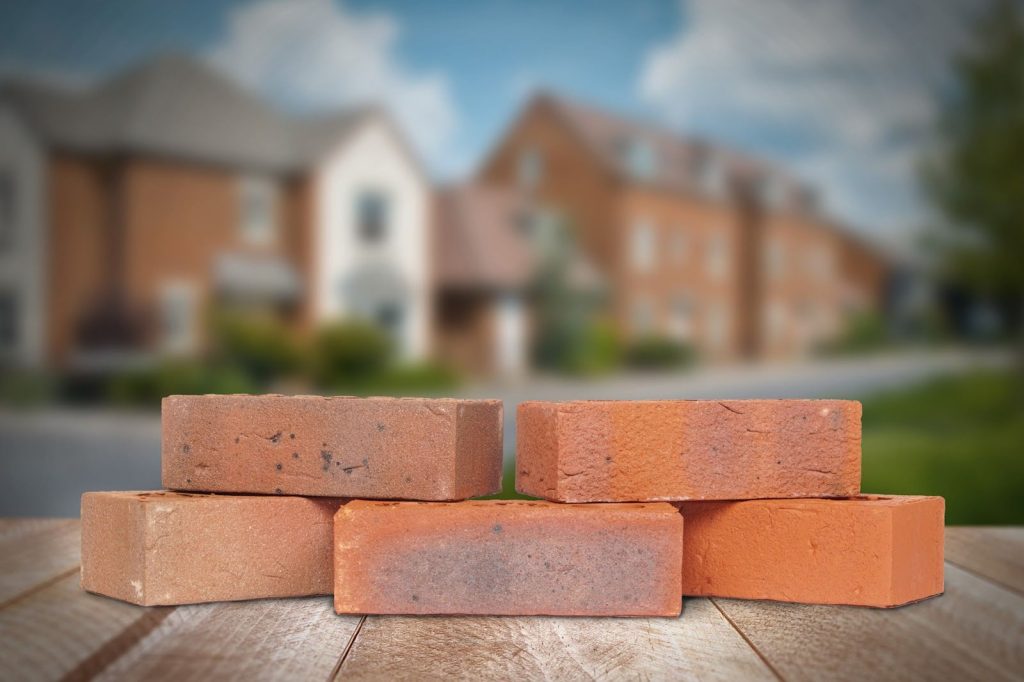
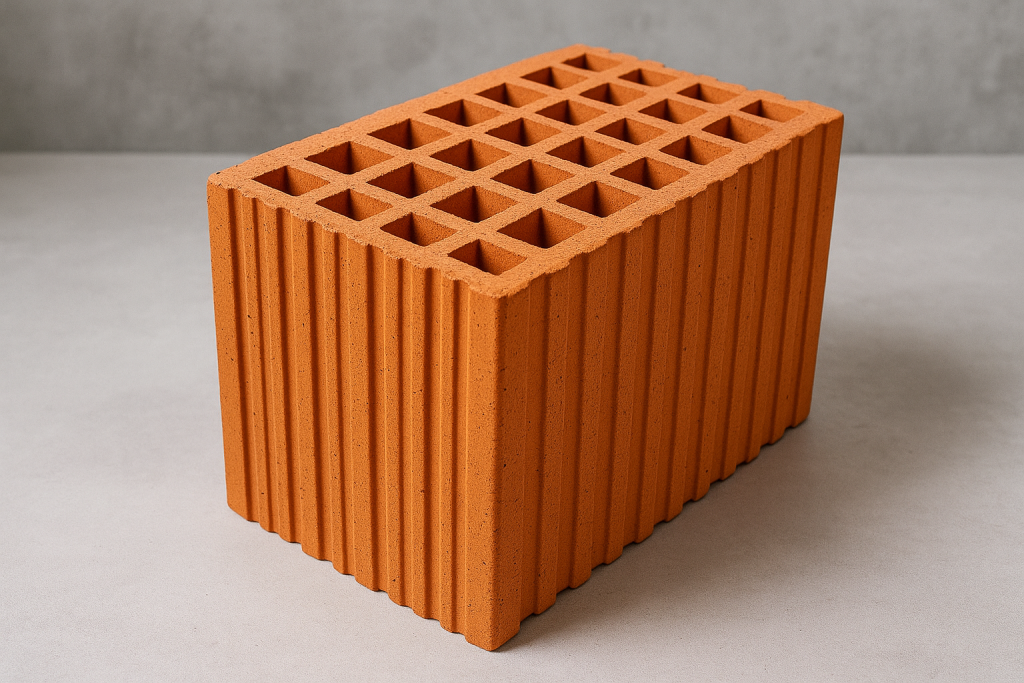
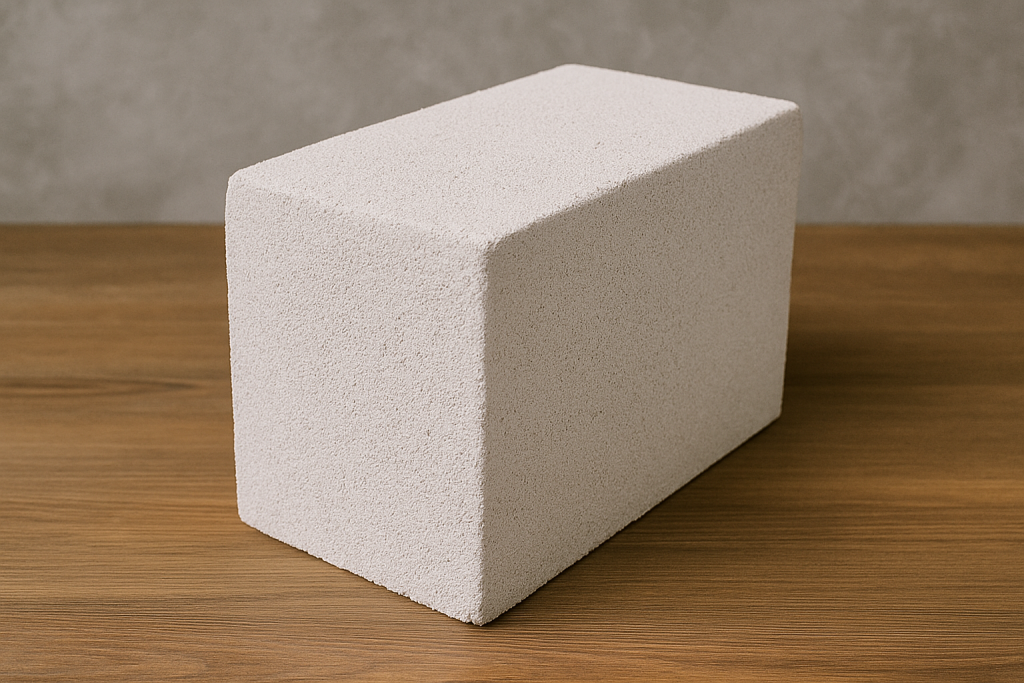
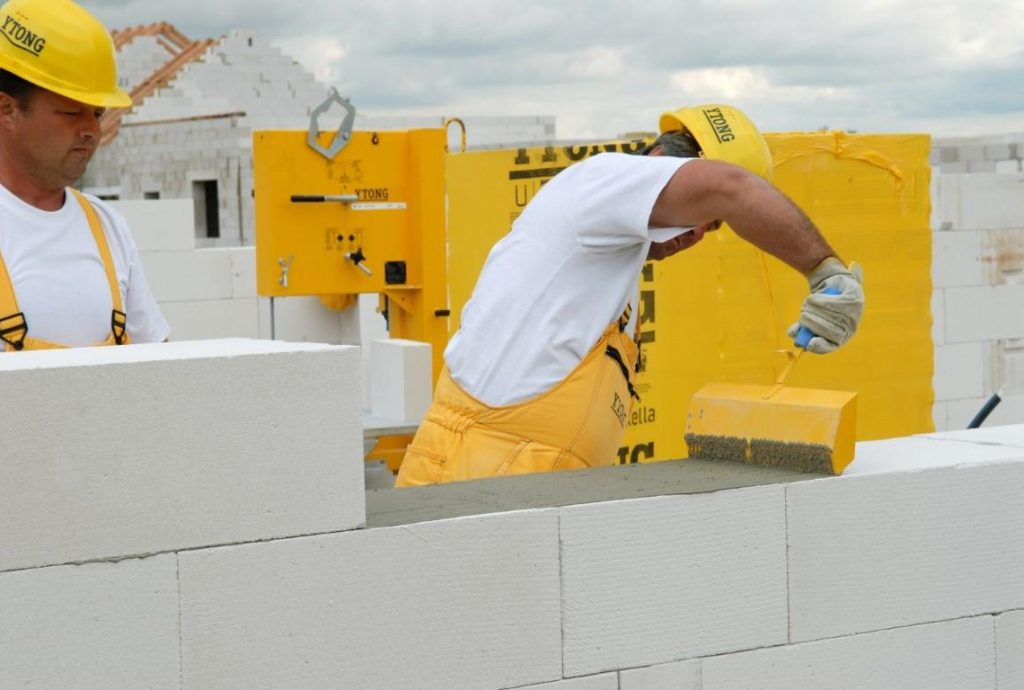
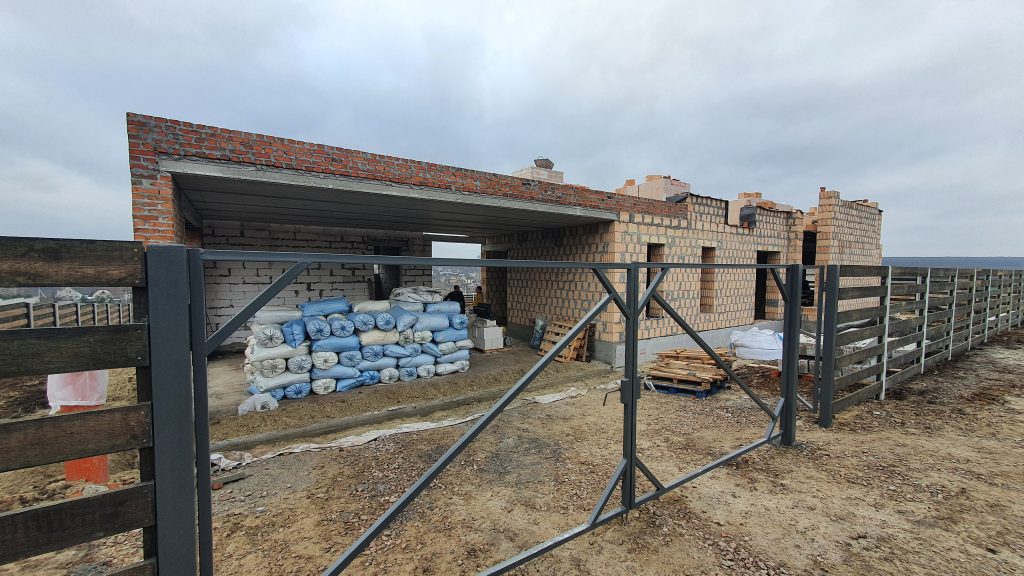
comparison of red brick, ceramic block, and aerated concrete
When choosing a material for building a private house, every client faces a difficult decision. The foundation of your future home affects not only its durability and energy efficiency but also living comfort, construction cost, and project timelines. In this article, we compare three of the most popular materials — red brick, ceramic block, and aerated concrete — from the perspective of practicality, thermal performance, and market relevance.
Red brick: a time-tested classic
Advantages
Strength and durability — withstands high loads, retains characteristics for decades.
Resistance to moisture and fire — does not rot, does not burn.
Excellent sound insulation.
Disadvantages
High thermal conductivity — requires additional insulation.
Labor-intensive masonry — requires more time and labor costs.
Weight — heavy load on the foundation, requiring reinforced base.
Pyramis Conclusion
Red brick is suitable for projects where strength and traditional perception are priorities. However, in modern energy-efficient houses, it often requires significant insulation upgrades.
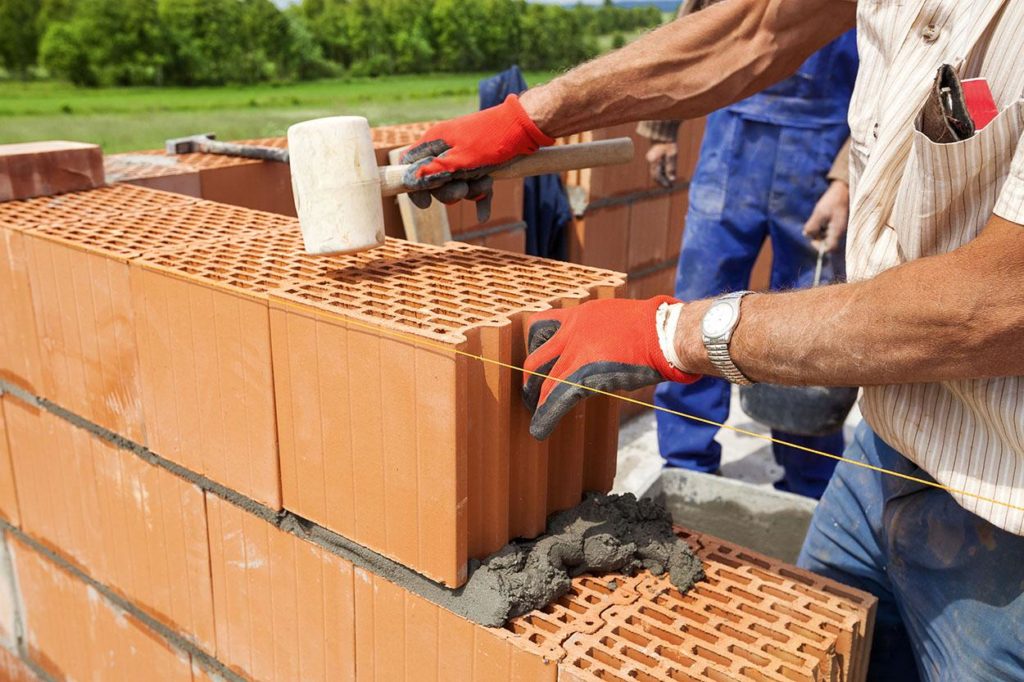
Ceramic block: light but reliable
Advantages
Good thermal insulation — large-format hollow blocks retain heat better than brick.
Construction speed — due to large size and tongue-and-groove system.
Eco-friendliness — natural material without synthetic additives.
Disadvantages
Fragility during transportation — blocks require careful delivery.
Complexity in masonry details — especially with non-standard architectural solutions.
Pyramis Conclusion
Ceramic block is a successful balance between classic and modern requirements. Suitable for medium and large cottages.
Aerated concrete: lightweight and warm
Advantages
Low thermal conductivity — one of the “warmest” wall materials.
Lightweight — reduces load on the foundation, allows for simplified construction.
Ease of processing — easy to saw, groove, convenient for laying communications.
Disadvantages
Hygroscopicity — requires mandatory external finishing and moisture protection.
Lower strength compared to brick or ceramic block.
Need for reinforcement under loads.
Pyramis Conclusion
Aerated concrete is an excellent choice for energy-efficient homes. However, it requires thorough project development, especially in climates with high humidity. Undoubtedly, for achieving optimal results, a combination of these building materials in various forms is possible. At the same time, it should be considered that joint areas — when transitioning from a red brick wall to a ceramic block wall — must be worked out with the highest quality. Solutions to these issues must necessarily be reflected in the project documentation.
Overall Conclusion
Each material has its own purpose. At Pyramis, we do not offer universal solutions — instead, we help choose the material that will suit the specific project, the site’s climate, the building’s architecture, and the owner’s expectations.
WE THINK AHEAD
We don’t just design engineering systems. We create life infrastructure that works seamlessly, delivering maximum comfort, stability, and control.
If you're looking for solutions that will remain relevant not only today but also in the future — let’s talk about your project.